Loading article
Loading page
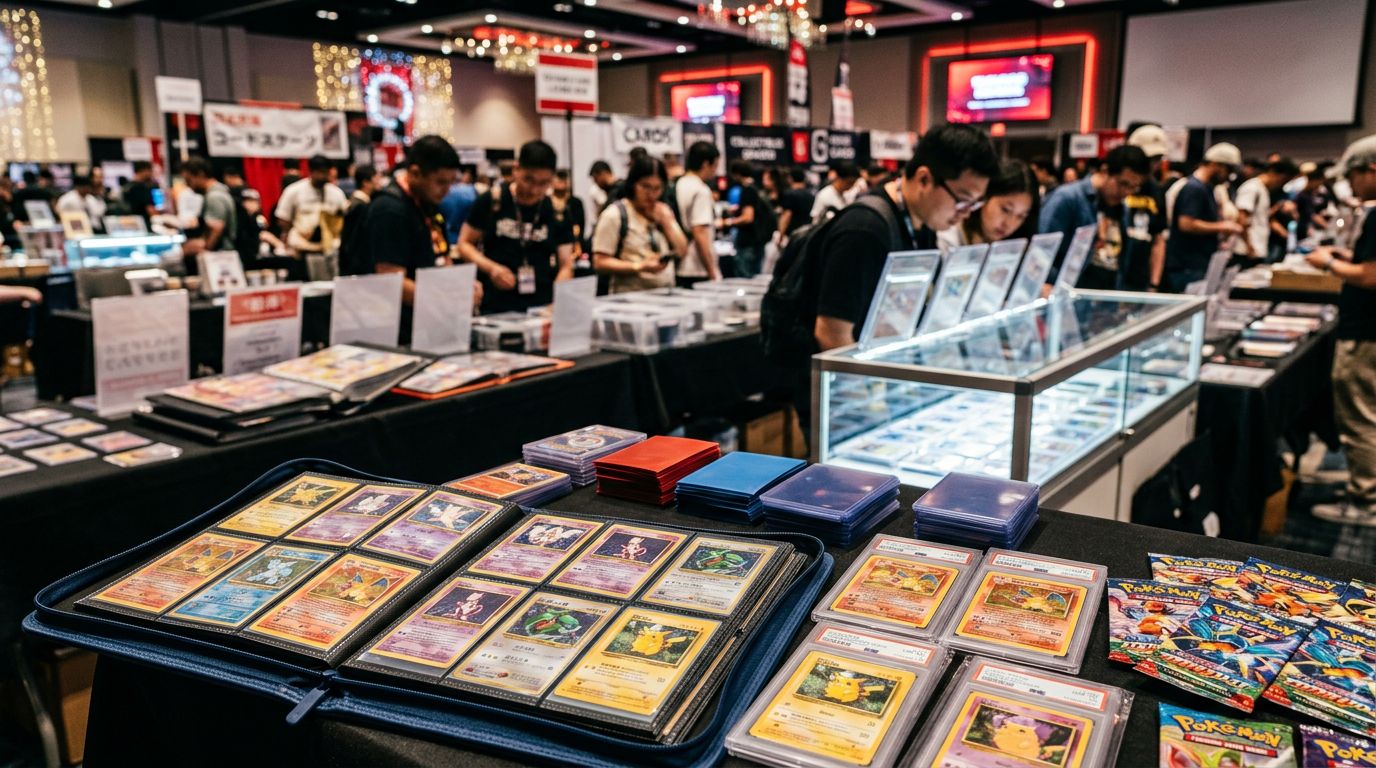
Pokemon TCG collecting can look simple from the outside: buy packs, pull cards, fill a binder. The hobby gets more interesting when you understand what you are actually collecting. Pokemon cards sit at the crossing point of game design, character nostalgia, artwork, scarcity, condition, and market demand. A smart collection is not just a pile of cards. It has a reason behind it.
This guide is written for collectors who want to start or improve a Pokemon TCG collection without chasing every hype cycle. It explains the facts that matter: how the game is structured, how sets and rarity work, why condition changes value, when grading makes sense, and how to build a collection you will still care about later.
The Pokemon Trading Card Game began in Japan in 1996 and reached the United States with Base Set in 1999. The game itself is built around 60-card decks, Pokemon cards, Trainer cards, and Energy cards. Players try to knock out opposing Pokemon and take Prize cards, but many collectors never play competitively. They collect because of the artwork, characters, sealed products, nostalgia, set history, or the challenge of completing binders.
That mix is why Pokemon TCG collecting has lasted. A card can matter because it is playable, visually striking, tied to a favorite Pokemon, part of a scarce release, or preserved in unusually clean condition. The best collectors learn to separate those reasons instead of treating every card as only an investment.
The fastest way to waste money is to collect everything at once. Pokemon has decades of cards across English and Japanese releases, special sets, promos, anniversary products, modern illustration rares, vintage holos, sealed boxes, theme decks, and graded slabs. A focused lane makes buying easier and gives your collection a clear identity.
Good beginner lanes include:
A lane does not have to be expensive. In fact, the best first collection is often a low-pressure binder where you can learn centering, surface marks, print lines, foil scratching, and set symbols without risking serious money.
Pokemon card rarity has changed over time, but the basic idea is consistent: some cards are printed and pulled more often than others. Older English cards used simple rarity symbols like circles for common cards, diamonds for uncommon cards, and stars for rare cards. Modern sets include more layers: holo rares, ultra rares, illustration rares, special illustration rares, hyper rares, and other era-specific treatments.
Rarity is not the same as value. A rare card from a heavily printed modern set may be cheaper than an uncommon vintage card in clean condition. A playable Trainer can spike because competitive players need it. A common card can become desirable if the artwork is beloved. A promo can be difficult to find because it was tied to a product, event, store release, or limited campaign.
When evaluating rarity, check four things:
Condition is where many beginners misjudge Pokemon cards. Two copies of the same card can look similar in a binder and have very different values once inspected closely. Collectors usually examine centering, corners, edges, surface, print quality, scratches, dents, whitening, bends, and creases.
Foil cards are especially sensitive. A vintage holo may have clean corners but heavy holo scratching. A modern full-art card may look perfect until you tilt it under light and see a surface dent. A card with a crease is usually in a different value category even if the front still displays well.
Use simple condition habits from day one:
If you want to collect seriously, buy a small light and inspect cards at different angles. Learning condition is more useful than memorizing every market price.
Professional grading can authenticate a card, protect it in a holder, and create a standardized condition reference. PSA and CGC both publish grading standards using 10-point scales. PSA describes a Gem Mint 10 as a virtually perfect card with sharp corners, sharp focus, original gloss, no staining, and centering within published tolerances. CGC separates Pristine 10 from Gem Mint 10, with Pristine reserved for cards that are especially clean under magnification.
Grading is not automatically worth it. Fees, shipping, insurance, turnaround time, and the risk of receiving a lower grade all matter. A card should usually be graded when one of these is true:
Do not grade every pull. Many modern cards sell for less than the total cost of grading unless they hit a top grade. Before grading, compare raw prices, recent graded sales, grading fees, and population data if available.
Pokemon card prices move because supply and demand move. New sets can spike at release, then settle. Competitive cards can rise during tournament seasons. Character cards can jump because a Pokemon is popular. Vintage cards can depend heavily on grade, print run, and buyer confidence.
To estimate value, do not rely on one asking price. Use recent sold listings and compare the same card, language, set number, condition, and grade. A PSA 10, PSA 9, raw near-mint, and raw lightly played card are not interchangeable. Neither are Japanese and English copies unless the market treats them similarly.
A practical value check looks like this:
The healthiest way to collect is to set a budget first. Treat high prices as information, not instructions.
Each buying method has a different purpose.
Opening packs is fun and gives you the full collecting experience, but it is usually the least efficient way to get one specific card. Buying singles is better when you know exactly what you want. Sealed product can be collectible, but it needs space, patience, and careful storage. Graded slabs are useful for display and condition certainty, but they reduce the binder-building feel many collectors enjoy.
For most collectors, the best mix is simple: open some packs for enjoyment, buy singles for priority cards, and reserve slabs or sealed product for pieces that genuinely fit the long-term collection.
Pokemon TCG collecting rewards patience. The market can be emotional, especially around Charizard, Eeveelutions, anniversary releases, limited promos, and special illustration rares. Avoid these common mistakes:
A collection built only around resale becomes stressful quickly. A collection built around a theme gives you more ways to win: completing pages, upgrading condition, discovering artwork, and learning the history behind each release.
If you are starting today, use a plan that teaches the hobby without forcing expensive decisions.
First, choose one lane: a favorite Pokemon, one set, or a Pokedex binder. Second, buy supplies before buying more cards: penny sleeves, a side-loading binder, and a few top loaders. Third, open a small amount of product so you understand pack structure and card types. Fourth, switch to singles for the cards you actually want. Fifth, track what you own and what you paid so future trades and upgrades are easier.
Once you understand condition and pricing, then explore graded cards, sealed products, vintage cards, or higher-end chase cards.
Pokemon TCG collecting is strongest when it is personal and informed. The facts matter: set history, rarity, condition, grading standards, and actual sold prices all help you avoid bad decisions. But the reason to keep collecting is usually more human than financial. It might be a favorite Pokemon, a childhood set, a binder page that finally looks complete, or an artwork that makes a common card feel special.
Start focused, protect your cards, learn condition, buy with patience, and collect the cards you would still enjoy owning if the market stopped moving tomorrow.