Loading article
Loading page
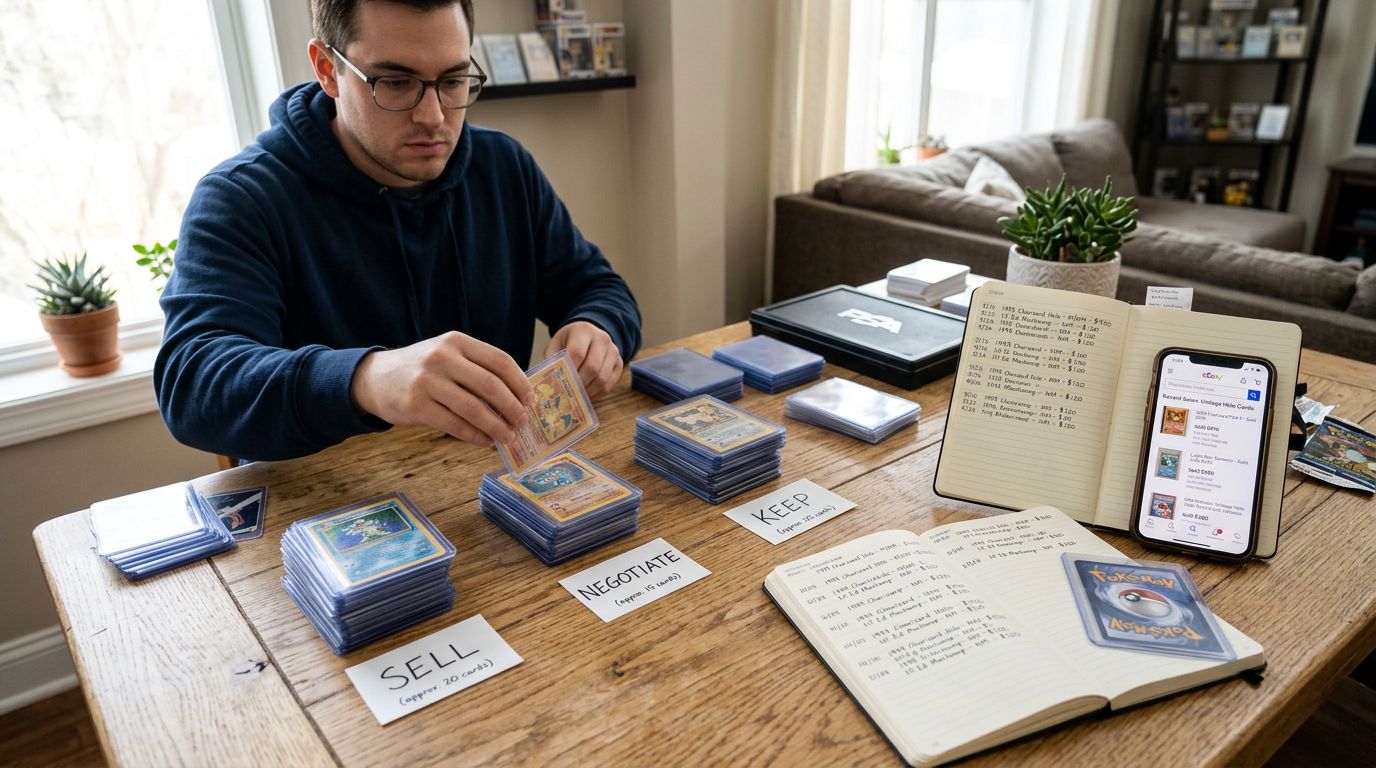
A Pokemon card show can be one of the best places to buy, sell and trade cards, but it rewards preparation. If you walk in with no list, no budget and no way to check prices, it is easy to overpay, miss good opportunities or trade away cards you later regret.
The goal is not to make the day complicated. The goal is to make the show easier. A little planning lets you inspect cards faster, negotiate more clearly and enjoy the event without feeling rushed.
Before you pack anything, decide why you are going.
Good goals include:
If your goal is vague, every table looks tempting. If your goal is clear, you can walk the floor with discipline.
Create a short want list before the show. Include card name, set, card number, preferred condition, raw or graded preference and target price.
For example:
A want list protects you from impulse buying. It also helps vendors help you. Instead of saying "do you have any good Pokemon cards?" you can ask for exact cards or sets.
You need a way to check comps. A comp is a comparable recent sale or market price. Asking prices are not the same thing as sold prices.
Useful tools include PriceCharting, TCGplayer, eBay sold listings, PSA Auction Prices, grading population reports and your own saved notes.
Do not rely on one number. A card can have different values depending on language, condition, grade, label, centering, sale date and whether the sale was auction or buy-it-now.
If you plan to trade or sell, bring your cards protected and organized.
Recommended supplies:
Do not bring expensive raw cards loose in a backpack. Even a short trip can damage corners, edges or surfaces if cards are not protected.
If you bring cards to sell or trade, separate them into groups before the show.
Use three categories:
This prevents emotional decisions. At a busy table, it is easy to let someone talk you into moving a card you did not actually want to sell.
If you are selling, know your numbers. You do not need to price every low-value card perfectly, but you should know the rough value of anything important.
For graded cards, check recent sold prices for the same card, grade and grading company. A PSA 10, CGC 10 and Beckett 10 can sell differently. For raw cards, check condition carefully and avoid pricing a lightly played card like it is near mint.
Dealers need margin, especially if they are buying for resale. If a dealer offers below market, that does not always mean they are being unfair. It may mean they need room to hold, grade, sell or handle risk.
Raw cards need real inspection. Look at the front, back, corners, edges, centering and surface.
Watch for:
Use good lighting and ask before removing a card from a sleeve or top loader. If a vendor does not want you handling a card directly, respect that. They may inspect it with you.
Graded cards are easier to compare, but they still need inspection.
Check:
Use PSA Cert Verification or the relevant grading company lookup when buying expensive slabs. A real certification number is not the same as a fair price, but it is a basic safety check.
Some card shows include grading company booths or drop-off services. PSA's event page says collectors can submit items in person for grading, vaulting and eBay consignment at official PSA events, and that accepted items can vary by event.
If you plan to submit cards, prepare before the show:
The best grading candidates usually have strong condition, meaningful value and a clear reason to grade.
Card shows make spending feel easy. Set a total budget before you enter and split it into categories.
Example:
If you sell cards at the show, decide whether that money goes back into your budget or stays separate. Without that rule, selling can quickly turn into buying more than planned.
Negotiation is normal at card shows, but the way you negotiate matters.
Good negotiation sounds like:
Bad negotiation sounds like:
You can walk away from a price without insulting the vendor. The hobby is smaller than it looks, and respectful buyers often get better help later.
The biggest card-show mistakes are usually simple:
Take your time. If a deal is real, it usually survives a few minutes of checking.
A card show can involve valuable inventory. Keep your bag closed, keep expensive slabs close and do not leave binders unattended. If you make a large cash deal, do it calmly and preferably in a visible area.
For travel, use a bag that protects cards from bending and weather. Do not leave cards in a hot car. Heat and humidity can damage sealed product and raw cards.
Before you leave home, make sure you have:
A Pokemon card show is more fun when you are prepared. Bring the right supplies, know your prices, inspect condition carefully and do not let the crowd rush your decisions.
The best collectors at shows are not always the ones with the biggest budget. They are the ones who know what they want, understand condition and stay patient until the right card appears.